

Our Advisors
We are guided by our esteemed advisors — leaders who share our values of collaboration, transparency, and urgency as we work to understand and treat the DHX30 mutation.
Scientific Advisory Board
-
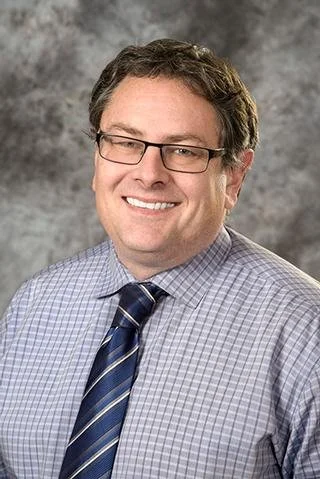
Dr. David Bearden is a board-certified pediatric neurologist with a focus on neurogenetic disorders affecting the central nervous system, including epilepsy and autism. In addition, Dr. Bearden has expertise in neurologic problems associated with immunodeficiencies and central nervous system infections. Dr. Bearden’s research focuses on the epidemiology and optimal treatments of genetic epilepsies, with a particular interest in channelopathies. Dr. Bearden did his residency and fellowship at the Children’s Hospital of Philadelphia, and is currently an Associate Professor at the University of Rochester.
Dr. David Bearden is a pediatric neurologist and neurogeneticist at the University of Rochester. He completed his residency and fellowship training at the Children’s Hospital of Philadelphia, and is currently an Associate Professor of Neurology and Pediatrics at the University of Rochester. His research focuses on the epidemiology and optimal treatments of genetic disorders, with a particular interest in genetic epilepsies. In addition, he studies the epidemiology of neurologic disorders in resource-limited settings.
-
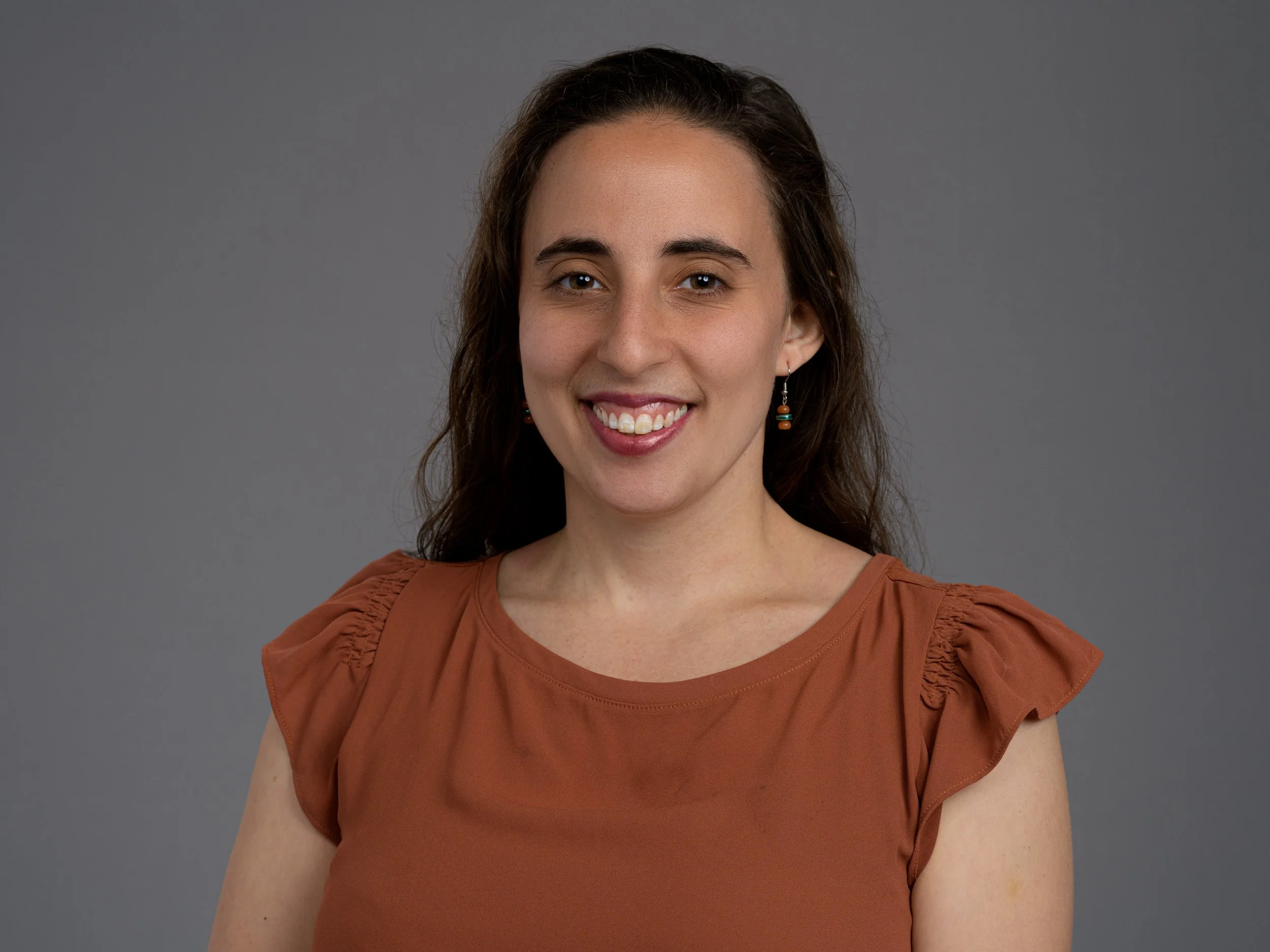
Dr. Tamar Caceres, M.D. is a board-certified pediatrician and child neurologist with specialized training and board certification in neurodevelopmental disabilities (NDD). She is an assistant professor at Rush University Medical Center (RUMC) through the Department of Pediatrics, Division of Pediatric Neurology and F.A.S.T Center for Translational Research at RUMC. Her expertise is in the diagnosis and clinical and behavioral management of complex neurodevelopmental disorders including autism spectrum disorder and specific neurogenetic syndromes including DDX3X syndrome, Smith-Magenis syndrome (SMS), Fragile X syndrome (FXS), Angelman syndrome, Duplication15q syndrome (Dup15q), Phelan-McDermid syndrome, Rett syndrome, and Pitt-Hopkins syndrome, among others. In addition to providing clinical care for individuals with complex neurodevelopmental disorders, she is actively involved in clinical research exploring disease modifying therapies and behavioral and pharmacologic treatment interventions in rare genetic neurodevelopmental disorders, neurodevelopmental phenotyping of rare genetic disorders, and outcome measure exploration. She is the medical director of the SMS clinic and DDX3X clinics at RUMC and co-medical director of the Angelman syndrome/Dup15q clinic. Dr. Caceres received her medical degree from University of Vermont in 2015 followed by completing Pediatrics residency at Nemours Children's Hospital, Delaware in 2017. She completed her Pediatric Neurology and Neurodevelopmental Disabilities residency and fellowship training at Boston Children's Hospital in 2021 prior to moving to RUMC in 2021 to further develop her career in translational and clinical research.
-
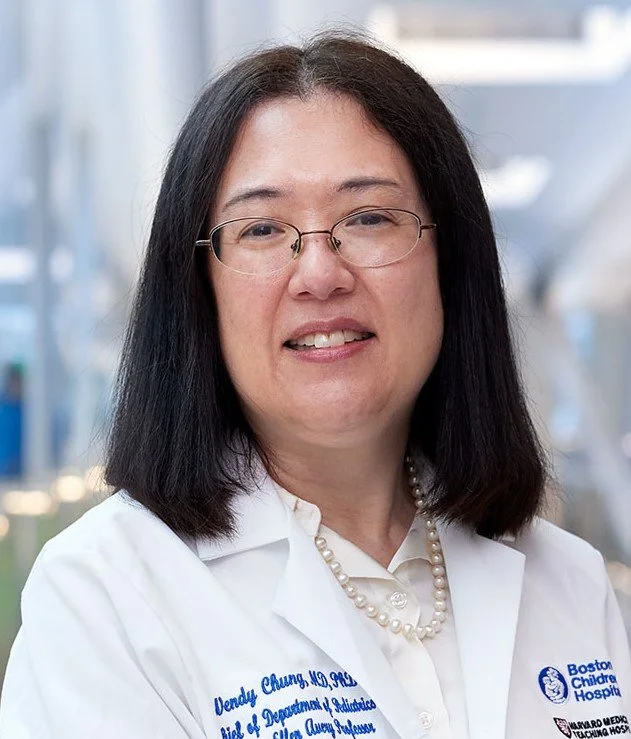
Dr. Wendy Chung is a clinical and molecular geneticist and the Chief of the Department of Pediatrics at Boston Children’s Hospital and the Mary Ellen Avery Professor of Pediatrics at Harvard Medical School. Dr. Chung directs NIH funded research programs in human genetics of pulmonary hypertension, breast cancer, obesity, diabetes, autism, birth defects including congenital diaphragmatic hernia and congenital heart disease. She has led studies to improve newborn screening for spinal muscular atrophy, Duchenne muscular dystrophy, and now GUARDIAN (Genomic Uniform screening Against Rare Diseases In All Newborns). She is a national leader in the ethical, legal, and social implications of genomics. She was the recipient of the Rare Impact Award from the National Organization of Rare Disorders, and is a member of the National Academy of Medicine and the American Academy of Physicians. Dr. Chung received her B.A. in biochemistry from Cornell University, her M.D. from Cornell University Medical College, and her Ph.D. from The Rockefeller University in genetics.
-
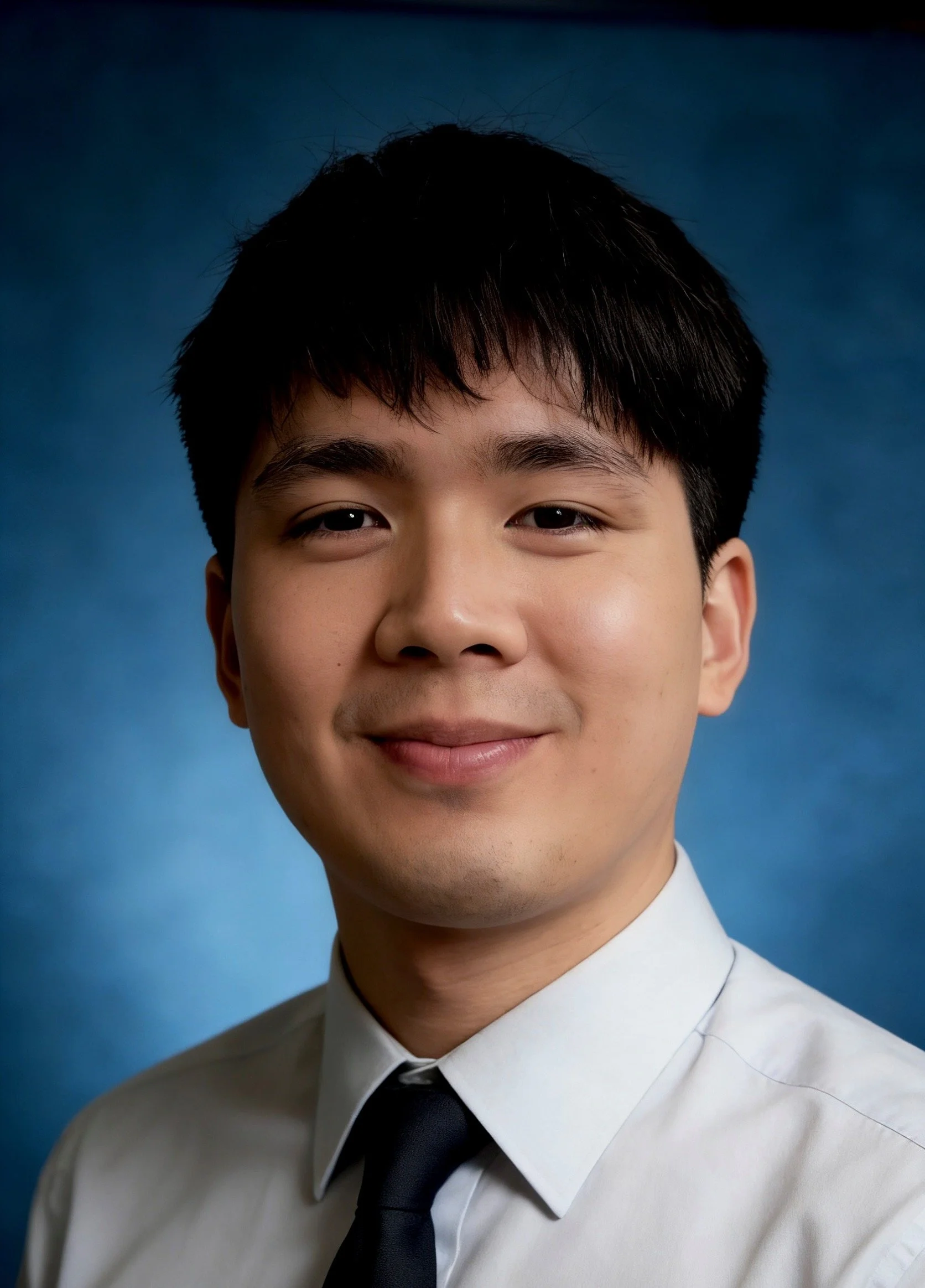
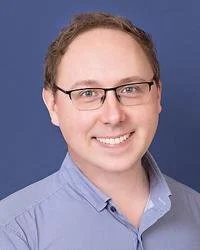
Tim Yeh received his PhD from Columbia University, where he continues his postdoctoral training. Dr. Yeh's current research focuses on RNA therapy development for neurological diseases, with work published in peer-reviewed journals including Nature Communications and Cell Genomics.
-
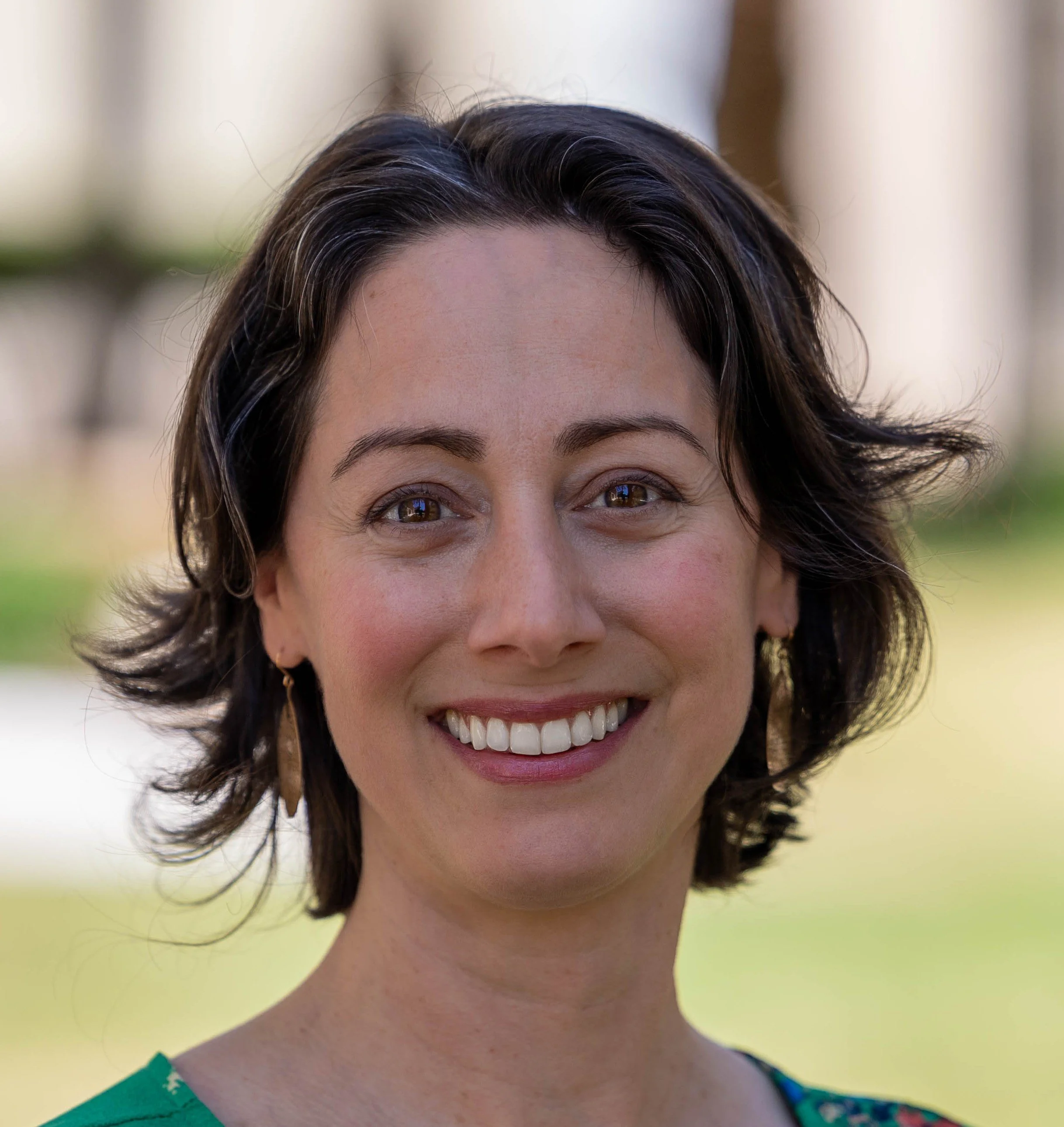
Greg Newby is an Assistant Professor in the McKusick-Nathans Department of Genetic Medicine and jointly affiliated with the Department of Biomedical Engineering. His research interests include the development of efficient genome editing tools to correct genetic disease mutations as well as studying the regulatory landscape of the genome to better understand and control gene expression. Dr. Newby earned his bachelor's degree in Biological Sciences from Carnegie Mellon University and conducted research as a Fulbright Scholar in the laboratory of Andreas Plückthun at the University of Zürich. He studied at MIT with Susan Lindquist and Ahmed Khalil for his PhD. From 2017-2023, he was a postdoctoral fellow in the laboratory of David Liu at Harvard University and the Broad Institute. During his postdoctoral work, Dr. Newby developed editing tools and methods to treat disorders of the blood, heart, lung, central nervous system, retina, liver, and skin.vHe began his laboratory at JHU in 2023 in order to advance new technology that combats the suffering caused by genetic disease.
-
Scientific Strategy Partner
Ali Rosenberg has a PhD from the department of Developmental, Stem Cell, and Regenerative Biology at the University of Pennsylvania, where she studied how injured nerves regenerate. She did her postdoctoral research at Duke University studying tuberculosis. Her research has been funded by multiple awards from the National Institute of Health (NIH). She has worked in the fields of neuroscience, development and regeneration, microbiology, and genetics, with experience in medical writing and grant writing, and at small biotechnology companies.
Nonprofit Advisory Board

-
Loren Eng is the President of the Spinal Muscular Atrophy Foundation, a nonprofit organization which develops treatments for SMA, the leading genetic cause of death in young children. Since its inception, the Foundation has funded over $150 million in research and therapeutics development. The Foundation collaborates with leading academic medical centers, the federal government (DoD, NIH, CDC, FDA), and nearly every pharmaceutical company in the world including: Roche, Biogen, and Novartis. When the SMA Foundation was established in 2003, there were no treatments for SMA. Due to the Foundation’s investments and drug discovery efforts, today there are three FDA-approved drugs. There are several others in advanced clinical development and in preclinical development. One of our first investments resulted in Spinraza which was the first drug approved for SMA. In 2017, Spinraza won the Prix Galien Award for Best Biotechnology Product of the year. In 2019, Dr. Frank Bennett (our collaborator at Ionis Pharmaceuticals) and Dr. Adrian Krainer (our collaborator at CSHL) received the Breakthrough Prize in Life Sciences (for the development of Spinraza). The SMA Foundation funded the basic science research and clinical trials network; and we worked on the full scope of the therapeutics development which led to the drug Spinraza.
Ms. Eng and the work of the Foundation have been featured in national media including ABC News, Bloomberg Markets, Forbes, Fox News, The New York Times, Nightline, Parents Magazine, and the Today Show. Ms. Eng has spoken before Congress on numerous occasions regarding: SMA, NIH funding and biomedical research. She and the SMA Foundation have been recognized with: the Child Neurology Foundation Award, the Giblin Foundation Award and the Columbia Crown Award.
The accomplishments of the SMA Foundation were highlighted in a 2017 MIT Sloan School of Management case study that focused on venture philanthropy. The strategic decisions of the SMA Foundation that culminated in the discovery of new treatments for a devastating childhood motor neuron disease are a focus of an upcoming Harvard Business School case study. The work of the SMA Foundation is also featured in "Breakthrough, The Quest for Life-Changing Medicines," a book by Pfizer CMO William Pao which follows eight devastating diseases and the people who drove the development of revolutionary treatments. Harvard Medical School is also developing a course solely based on SMA and the SMA Foundation. This course will be open to students outside of HMS including undergraduates and business school students.
Prior to establishing the SMA Foundation, Ms. Eng worked in investment banking, merchant banking and business development for media. Ms. Eng received a BA with honors from Wellesley College, and an MBA as well as an MA in Education from Stanford University. Ms. Eng serves on the boards of: Columbia University Medical Center, the Harvard University Stem Cell Institute, the SMA Foundation, Mt. Sinai Medical Center-Dermatology, and the Stanford Graduate School of Business; she is a past Trustee of the Bank Street College of Education.
-
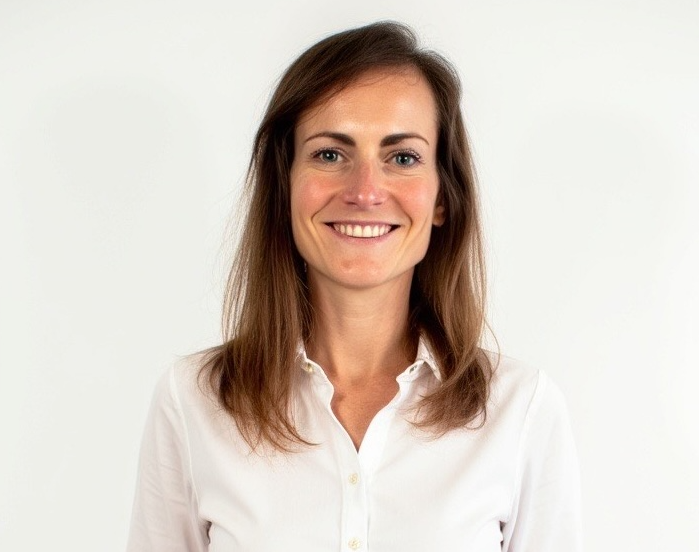
Katie Holman brings more than a decade of senior leadership and nonprofit strategy experience. As Chief Executive Officer of the Boys & Girls Club of Missoula County, she led a period of transformational growth, deepening the organization’s financial foundation and strengthening its governance and strategic infrastructure. Under her leadership, the organization grew its budget by 400% in three years and secured critical funding to expand services for youth and families.
For the past five years, Katie has worked as a nonprofit consultant and resource development strategist, partnering with mission-driven organizations across the country to strengthen fundraising strategy, development infrastructure, and long-term sustainability. Through her firm, The Funding Pen, she helps organizations clarify strategy, articulate impact, and build the systems required to mobilize resources and sustain long-term growth.
In addition to her nonprofit leadership, Katie has advised multi-billion-dollar companies on large-scale systems improvement and technology transformation initiatives, helping teams align people, processes, and technology to drive measurable outcomes. She brings this blend of strategic thinking and practical execution to her advisory work.
Katie holds a Bachelor of Arts in Psychology from Duke University and a Master of Public Administration from the University of New Orleans.
-
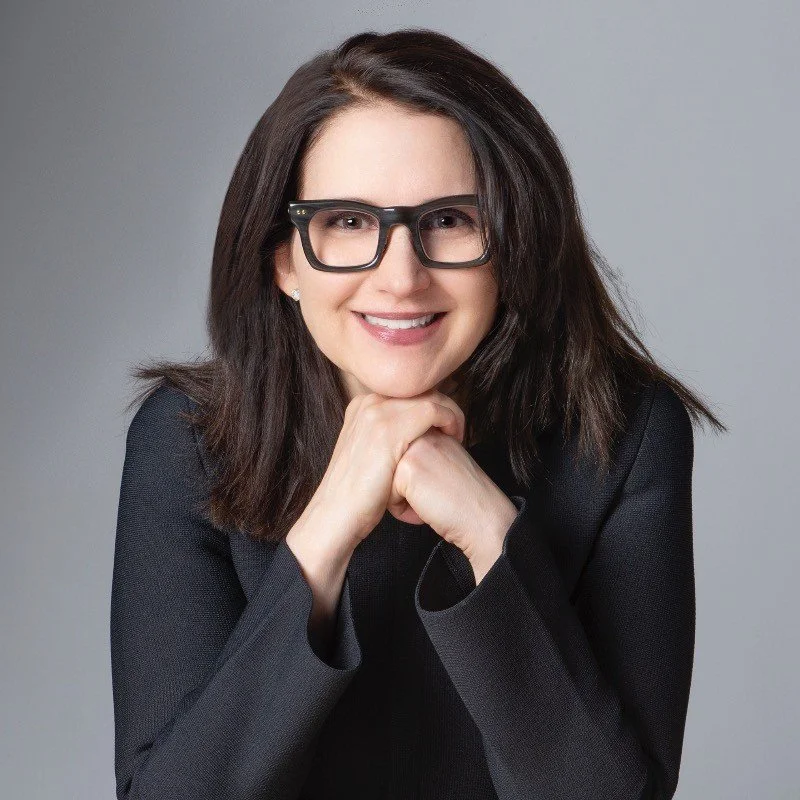
Caroline Roan is a corporate affairs and global health leader with over two decades of experience driving transformational impact at the intersection of business, health equity, and social innovation.
Caroline most recently served as Pfizer's Senior Vice President of Global Health and Social Impact and Chief Sustainability Officer where she led Pfizer’s enterprise purpose, patient advocacy and ESG strategy, advising the Chairman/CEO and Board of Directors. She also served as President of the Pfizer Foundation, deploying strategic grants that reached over 30 million people globally.
Caroline's leadership during the COVID-19 pandemic was pivotal—she negotiated complex agreements with the WHO and Gates Foundation to secure global vaccine and therapeutic access and supported the design and launch of Pfizer's industry-leading Accord for a Healthier World, expanding access to medicines for 45 low-income countries. Her work contributed to eliminating the neglected tropical disease -- trachoma -- in over 20 countries and establishing Pfizer as a Top 5 ranked company in the Access to Medicines Index.
Throughout her career, Caroline has championed health equity and built high-performing diverse teams. Prior to joining Pfizer,Caroline conducted behavioral health research at Yale University and the Robert Wood Johnson Foundation, laying the groundwork for her commitment to improving health outcomes through evidence-based approaches. She holds an MPA in Public Policy from Columbia University and a BA in Sociology and Anthropology from Earlham College.